Home / Tecnología CO₂ / The Importance of Biodiversity in the Fight Against Climate Change
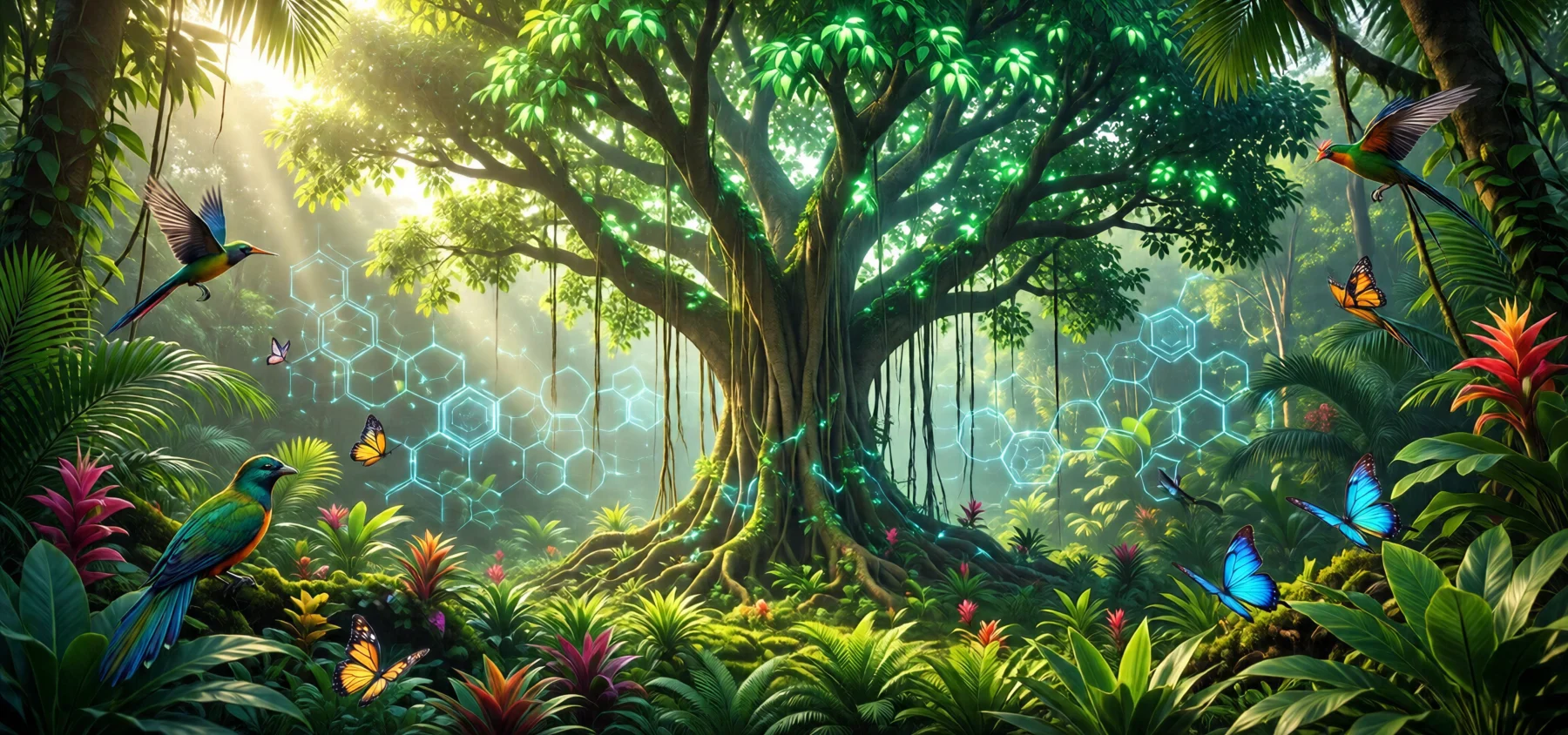

For decades, the conversations around climate change and biodiversity loss traveled on parallel but separate tracks. Today, scientists and ecologists recognize them as two sides of the same coin. Biodiversity—the variety of life on Earth in all its forms—is not just a victim of a warming planet; it is one of our most powerful allies in mitigating its effects.
As the global temperature rises, the resilience of our natural world is being tested. However, intact ecosystems do more than just exist; they perform vital “ecosystem services” that regulate the atmosphere, sequester carbon, and protect human settlements from extreme weather events.
The most direct link between biodiversity and climate change mitigation is carbon sequestration. Healthy ecosystems act as massive sponges for atmospheric carbon dioxide ($CO_2$). While many focus on industrial carbon capture, nature has been perfecting this process for billions of years.
Biodiversity provides the “genetic library” necessary for adaptation. In a changing climate, ecosystems with high species diversity are more likely to contain individuals or species with traits that can withstand heatwaves, droughts, or new pests. This is known as the Insurance Hypothesis.
When an ecosystem loses its top predators or its primary pollinators, the entire structure becomes brittle. A degraded ecosystem is far more likely to collapse under the stress of climate change, turning a carbon sink into a carbon source through wildfires or decay.
Ecologists are moving beyond simple “conservation” toward active **restoration and rewilding**. The strategies discussed in recent global summits include:
Protecting biodiversity is not just an ethical choice; it is a sound economic strategy. The Dasgupta Review on the Economics of Biodiversity highlighted that our economies are embedded within nature, not external to it. Pollination, water purification, and disease regulation provided by diverse ecosystems are worth trillions of dollars annually.
Investing in biodiversity-rich “green infrastructure”—such as restored coral reefs or oyster beds—is often more cost-effective for coastal protection than building massive concrete sea walls.
Modern ecology utilizes emerging technologies to monitor and protect biodiversity in real-time. From eDNA (environmental DNA) sampling, which identifies species presence from a cup of river water, to satellite imagery and AI-powered acoustic sensors that detect illegal logging in the Amazon, technology is bridging the gap in our conservation efforts.
The fight against climate change cannot be won without a parallel commitment to saving the variety of life on Earth. By protecting biodiversity, we are not just saving “charismatic megafauna” like tigers or whales; we are maintaining the intricate life-support system that keeps our climate stable. The path forward requires a holistic approach: cutting emissions while simultaneously restoring the biological engines that cool our planet.
Best Practice for WordPress Security: When managing a blog with high-value research or articles, ensure your XML-RPC is disabled if you are not using the WordPress mobile app or remote posting. XML-RPC is a common vector for Brute Force attacks. You can disable it via a plugin like “Disable XML-RPC” or by adding code to your
.htaccessfile. This significantly reduces the attack surface of your site.
Lorem ipsum dolor sit amet consectetur. Congue odio elementum nunc quam nulla. Porttitor egestas duis tincidunt velit mi arcu. Vel nec id ut molestie massa. Nisi nisi dolor convallis facilisis sed aliquet lorem. Magna urna quam sed laoreet justo ac. Eu cursus id pellentesque curabitur. A tincidunt diam quam in malesuada risus orci est vulputate.
This meeting, framed within the StartBEC program, is the result of collaboration between ALTEX and the Ministry of Agriculture, Fisheries, and Food (MAPA). Its goal is to connect young talent with the professional world, promote innovation, and foster new sustainable value chains in the field of bioeconomy.
StartBEC is a program that provides technological support to emerging startups in the bioeconomy sector. This hackathon represents a further step in that journey, anticipating and accelerating the ideas that will shape the future of the sector.
I contribute to raising awareness of the knowledge generated in R&D projects by creating strategies and content that bring technological innovation closer to society. My work involves designing and implementing communication strategies that enhance the visibility of innovative initiatives, rigorously conveying the value of research and technology.